


Debt Collector in Singapore: How Professional Recovery Works and When to Use One
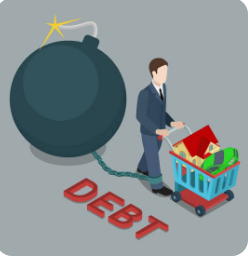
An unpaid invoice is more than a number on a spreadsheet. It's delayed payroll, a stalled expansion, or a supplier you can't pay on time. Many Singapore business owners wait too long to act, hoping the money will simply arrive. A skilled debt collector can turn that waiting game into a structured, lawful recovery process.
What a Debt Collector Actually Does
The popular image of a debt collector is a menacing figure at the door. In Singapore, the reality is very different. Professional collectors work within a legal framework, using negotiation, documentation, and persistence rather than intimidation.
A debt collector acts as a neutral intermediary between creditor and debtor. Their job is to locate the debtor, open communication, verify the debt, and negotiate a realistic repayment arrangement. A good singapore debt collection service also protects your reputation, since all contact is handled professionally on your behalf.
Why Late Payments Hurt More Than You Think
The Cash Flow Domino Effect
When one client pays late, you may pay your own suppliers late too. Small delays quickly cascade into strained relationships and missed opportunities.
The Time Cost
Chasing payments through emails and phone calls drains hours that should go toward growing the business. Staff members who hate awkward follow-ups often avoid them altogether.
The Fading Window
Debts become harder to recover with time. Debtors change addresses, close companies, or lose motivation to pay. Acting early dramatically improves the odds.
How a Singapore Debt Collection Service Works
Step 1: Case Assessment
The service reviews your contracts, invoices, correspondence, and proof of delivery. This determines whether the claim is strong and which approach fits best.
Step 2: Debtor Tracing
If the debtor has gone quiet, collectors use legitimate research methods to confirm current contact details and business status.
Step 3: Formal Demand and Negotiation
A professionally drafted letter of demand often prompts action when casual reminders failed. Skilled negotiators then work toward payment in full or a structured instalment plan.
Step 4: Escalation Where Necessary
If negotiation fails, a reputable provider will advise on legal options, such as a statutory demand for companies or a claim through the courts. They should explain the costs and likelihood of success honestly rather than promise guaranteed results.
Staying Within the Law
Singapore takes harassment seriously. Under the Protection from Harassment Act, threats, public shaming, and abusive behavior can lead to serious consequences. Any ethical debt collector avoids these tactics entirely.
Debt collection is also closely tied to the Moneylenders Act and the licensing of certain lenders, so it's worth confirming how your debt type is regulated. Before hiring anyone, ask how they ensure compliance, how they communicate with debtors, and whether they will follow your instructions on the settlement terms you will accept.
Choosing the Right Debt Collector
Look for Transparency in Fees
Many firms charge on a success-fee basis, taking a percentage of what they recover. Others use flat fees or hybrid models. Whatever the structure, get it in writing, including any administrative or legal costs.
Check Experience and Track Record
Ask about their experience with your industry and the size of debt you're pursuing. A firm used to corporate trade debts may handle things differently from one focused on personal loans.
Evaluate Communication
You should receive regular updates and clear reports. If a provider is vague about progress or evasive about methods, treat that as a warning sign.
Prioritize Professionalism
The way a collector speaks to you is often how they will speak to your debtor. Courteous, firm, and precise is the standard you want.
How to Make Recovery Easier Before You Need Help
Prevention is cheaper than cure. A few habits strengthen your position:
-
Put agreements in writing, including payment terms and late-payment consequences.
-
Run credit checks on new clients before extending terms.
-
Invoice promptly and accurately, with clear due dates.
-
Follow up early, ideally within days of a missed deadline.
-
Keep organized records of every contract, message, and delivery confirmation.
Strong documentation makes any later recovery process faster and more likely to succeed.
When Is It Time to Call a Professional?
Consider a debt collector when reminders have been ignored, the debtor avoids contact, or the amount is significant enough to affect your operations. Waiting until the debt is a year old rarely helps. Moving at 30 to 60 days overdue usually offers the best balance between preserving the relationship and securing payment.
Conclusion: Turn Unpaid Invoices Into Recovered Revenue
Money owed to you is money you've already earned. Leaving it uncollected quietly erodes your business. A reputable debt collector brings structure, legal awareness, and professional distance to a stressful situation, while a trusted singapore debt collection service gives you a clear process, honest advice, and a better chance at recovery.
See More Articles: Click Here
Categories
Read More
https://anchor.fm/s/d41bfaec/podcast/play/107069762/https%3A%2F%2Fd3ctxlq1ktw2nl.cloudfront.net%2Fstaging%2F2025-7-19%2F5bad98c1-5dee-78af-35e7-37f68b3c29fa.mp3

Breitling Chronomat: The greatest All-Rounder - History, Sizes & Buying Guide 2026 Number of luxury sports watches equilibrium aviation heritage, everyday wear resistance, and instant recognizability that can compare with the Breitling Chronomat. Given birth to in 1984 as a homage to Italy's Frecce Tricolori aerobatic team, this series has evolved from a rugged...

Ever wanted to play Minecraft but didn't have access to a gaming PC or didn't want the hassle of purchasing and installing the full version? There's a surprising solution that's been gaining popularity among casual gamers: browser-based block-building games like Eaglercraft. These accessible alternatives let you experience the core joy of mining, crafting, and building right from your web...

There’s a certain magic to winter sports, even from the comfort of your computer screen. The rush of wind, the pristine snow, the expert control over your chosen vehicle – it’s an experience that captivates. While not everyone can hit the slopes, the world of online gaming offers incredible simulations that capture this very essence. One such gem that’s been carving out...

Anyone can sell a rose. The real skill lies in choosing the right one, cutting it at the right moment, and placing it in an arrangement that makes someone stop mid-sentence. In a capital city filled with weddings, diplomatic events, birthdays, and quiet apologies, the search for the best flower shop in Islamabad is really a search for craftsmanship, reliability, and a little bit of heart....